EV Charger Installation Through the Wichita Year
Spring is storm season and preparation season at once. March through May is the peak of the supercell calendar in Sedgwick County, when the metro's outages, surge events and downed service drops concentrate. The electrical work that matters happens just ahead of it: panels checked, surge protection in place, standby generators serviced and exercised, and trees near the service drop reported before the wind finds them. The first big storm week of the year grades every home's preparation without mercy.
Winter in Wichita is mild until it is not: the ice storms are the season's defining electrical events, when coated lines and falling limbs take down drops and masts across whole districts at once, and plains wind drives the chill through every exterior connection. Between storms, the winter load story is space heaters on bedroom circuits, holiday lighting on old exterior outlets, and heating equipment running its longest hours - each a small test of circuits that sit idle the rest of the year.
Fall is the assessment window and the second severe season. October brings its own storm risk on the plains, and the ice season is close enough to plan for: generator service, surge checks, and the repairs the summer exposed, all done while the weather is calm. It is also when honest electrical advice happens, because a system inspected in October is being judged on the evidence of the season just passed, not on hope.
EV Charger Installation in Depth
Panel capacity is where charger installations are truly decided, and the instrument is the load calculation: the service size, the house's existing heavy loads, and the charger counted at 125 percent of its rating because the code treats hours-long charging as the continuous load it is. Wichita's housing stock makes the calculation interesting - 200-amp services in the growth suburbs absorb a charger without a discussion, while the postwar core's 100-amp panels, already feeding air conditioning, ranges and dryers their builders never imagined sharing a box, are where the arithmetic earns its keep. Its three honest outcomes - the charger fits, the charger fits with load management, or capacity comes first - are all good answers. The only bad one is skipping the question.
Placement is engineering wearing a tape measure. The cord must reach the port without crossing the garage's traffic; the run from panel to charger sets the wire size once distance and voltage drop enter the arithmetic; a detached garage adds a trench, a feeder and a disconnect to the design; and a Kansas garage adds its own conditions - summer heat that argues for ventilation sense in equipment choice, winter cold that stiffens cables, and storm exposure that makes surge protection a charger conversation in this metro whether the owner raises it or not. None of it is exotic. All of it is cheaper decided on paper than discovered in conduit.
Choosing the Right Help
Choose charger help by the load calculation. The installer who does the panel arithmetic first - and can show why your house gets this charge rate, this circuit or this load management - is installing a system; the one who quotes from the driveway is installing a hope. Ask what happens when the second car arrives. The plan that already knows is the one worth buying.
The Conditions Behind It
Wichita sits on the central plains where Gulf moisture runs into dryline storms off the high plains, and the weather writes the electrical calendar here: a spring supercell season that tests every service mast and overhead drop in the metro, a summer of peak cooling loads under hundred-degree stretches, a second severe season in the fall, and winters that can wrap the whole region in ice. An electrical system in Wichita is not judged on a mild day - it is judged in the storm weeks, and the pages here are organized around that.
The metro's wiring is a layered archive of its building history. The oldest neighborhoods along the Arkansas and Little Arkansas rivers still hold knob-and-tube runs, cloth-insulated cable and fuse boxes from the 1880s through the 1930s. The war years and the aircraft boom built whole districts - Planeview, the south side, the McConnell fringe - on the panels of their day, including families from that era that inspectors now flag on sight. The mid-1960s to the mid-1970s added aluminum branch wiring to thousands of homes. And the growth edges in Maize, Andover and Bel Aire build at 200 amps with chargers and standby generators planned from the start. Which layer a house sits in decides most of its electrical story.
How EV Charger Installation Works
Read the panel's real capacity
Service size, present loads and a load calculation that counts the charger as the continuous load it is - the arithmetic decides what the house can honestly feed, and whether load management or a panel upgrade belongs in the plan.
Choose the charger, level and location
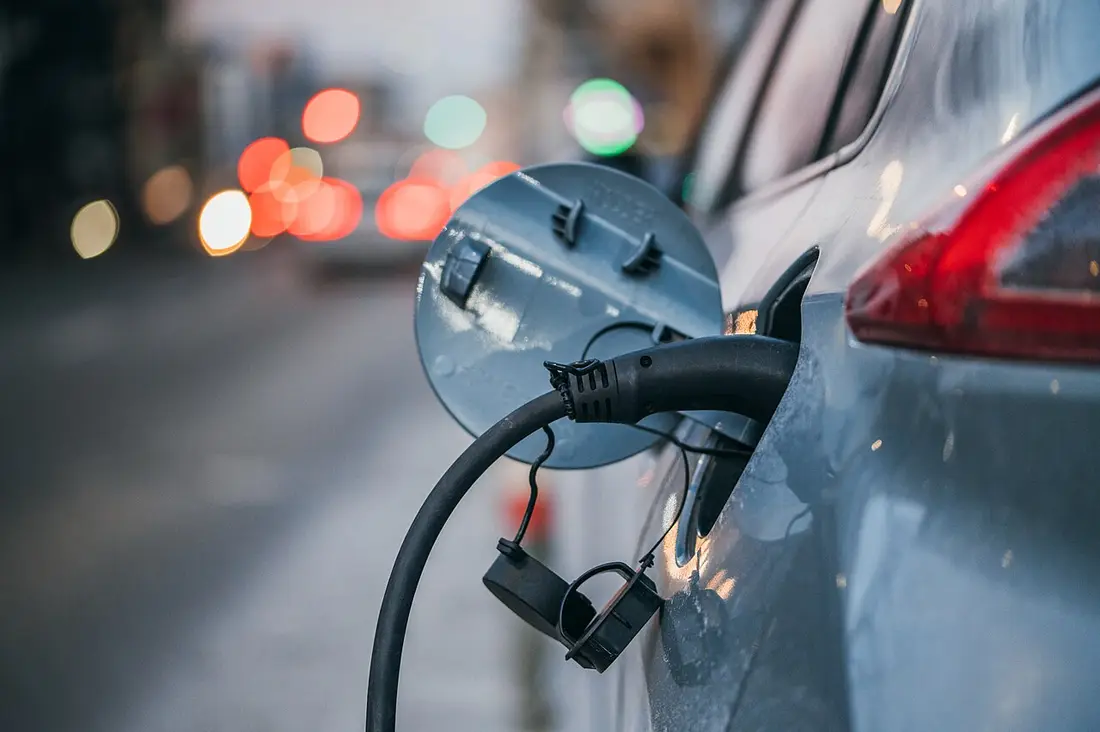
Level 2 is the home standard. The charge rate is matched to the household's driving, and the charger's position to where the car sleeps - cord reach, weather and the second vehicle's bay all considered. Hardwired or plug-in is decided here too.
Pull the permit
A new 240-volt circuit is permitted work in Wichita and Sedgwick County, handled through the Metropolitan Area Building and Construction Department (MABCD). The permit is pulled before work starts, and it is what makes the finished circuit a documented part of the house.
Run the circuit for continuous duty
Dedicated circuit, correctly sized and protected, run by the route the property allows - through attic, along wall or under trench - and landed with connections torqued for hours-long draw.
Mount, connect and test the charger
The unit is mounted, connected and tested on the vehicle itself - the charge rate verified, scheduling and load settings set with you, and any app pairing walked through before the visit ends.
Inspection and handover
The installation is inspected as the permit requires, the panel directory is updated to tell the truth about the new circuit, and you keep the paperwork - the same file a utility rebate claim and a future home sale will ask for.
Doing It Yourself vs a Professional
The DIY Route
- Landing a 50-amp continuous load on a panel that was never load-calculated for it - the charger runs for hours, and marginal panels confess at hour three
- Running charging through adapters, splitters and extension arrangements meant for occasional loads
- Mounting the charger where the cord reaches only by crossing the garage's traffic, then driving over the cord nightly
VS
The Professional Route
- Load-calculates the panel before naming a charge rate, and shows the arithmetic
- Installs the circuit as the continuous-duty work it is: sized, protected, torqued and labeled
- Plans placement and capacity for the household's second vehicle and its real parking
Keep It From Coming Back
Charging is the house's most disciplined load, and it rewards disciplined ownership: right circuit, honest settings, prompt attention to heat. The list below is the whole doctrine.
- Have the load calculation done before choosing the charger's rate; the fastest charger the panel cannot feed is the slowest one you own.
- Keep the charge port and plug inspected - heat discoloration at a home charger's plug is a connection report, and it is read promptly.
- Never charge an EV from an extension cord or a dryer splitter as a standing arrangement; temporary improvisations become permanent under exactly the load that punishes them.
- Plan the second vehicle during the first install - a panel decision made once is one project.
- After the install, add surge protection to the conversation if the panel lacks it; the charger is among the costliest electronics the panel feeds.
- Note your overnight charge pattern in the first month; the schedule that fits your driving is a setting, and it is free to change once the circuit is right.