Wichita Electrical Services

Outlet and Switch Services in Wichita, KS

Outlet and switch services in Wichita - GFCI protection, dead and warm outlets traced, aluminum-era connections renewed, and switches and dimmers matched to the rooms they serve.

The storm ledger is documented, not folklore. On May 3, 1999, a tornado from the same outbreak that struck Kansas cut through Haysville and south Wichita, destroying the town's historic core. On April 14, 2012, an EF3 crossed southeast Wichita through Oaklawn toward the McConnell Air Force Base side of the city. Ice storms in January 2002 and December 2007 coated lines across Kansas and left Wichita neighborhoods dark for days. Kansas also sits in one of the more lightning-active regions of the country. Surge damage, standby power and service-mast condition are standing topics here because the record made them so.

The second force is the modern load arriving in old houses. Electric vehicle chargers, hot tubs, home offices, workshop tools and added living space all draw on panels that were sized for a fraction of today's demand - a 100-amp service that was generous in 1955 is an arithmetic problem in a house with two chargers and a spa. Much of the metro's electrical work is this reconciliation: reading what a house now asks of its system, and matching the system to it honestly.

Signs You Need Outlet and Switch Services

An outlet or switch plate that feels warm

Warmth at a device means resistance at a connection, and resistance means heat where heat does not belong. A plate that is warm with nothing plugged in has skipped a grade of urgency.

Plugs fall out of outlets

A receptacle that cannot grip a plug has worn contacts - and worn contacts arc. Loose outlets are not a nuisance item; they are the device retiring in public.

A GFCI that will not reset, or tests dead

A GFCI that has failed its own test is a protection that exists only as a wall decoration. Near water, that is the one device whose failure should not wait.

Dead outlets on one wall or one room

A pattern of dead devices maps the circuit for you: a tripped GFCI upstream, a failed connection passing power onward, a breaker doing its report. The map is the diagnosis's first half.

Crackling, buzzing or a smell at a switch

Sound at a switch is arcing at a contact. Switches are cheap, their failures are not - this is the smallest job on this page and the least postponable.

Two-prong outlets where three-prong life is lived

Ungrounded outlets behind adapters and three-prong plugs are the house's era showing. The honest fixes are known - circuit protection, grounding runs, device strategies - and they are chosen per circuit, not per wish.

Why Outlet and Switch Services Is a Standing Job in Wichita

The metro's device story is dominated by one era: the aluminum-wiring years. From the mid-1960s into the mid-1970s, branch wiring in aluminum landed on devices by the tens of thousands of connections, and aluminum connections loosen and oxidize in ways copper ones forgive. In those neighborhoods, outlet and switch work is not cosmetic - it is the maintenance the wiring type demands.

Water writes the second chapter: kitchens, baths, garages, laundry rooms and exteriors are where protection matters and where older homes are most often unprotected, their GFCIs absent, painted over, or dead since a storm season nobody remembers. The device audit finds them in one pass.

And devices are where renovation debris accumulates: the backstabbed outlets of a fast 1990s remodel, the dimmer arguing with the LEDs of a 2020 lamp swap, the switch wired to the wrong half of the room by a hand long gone. Each is small. Together they are the house's daily friction, and they are all fixable in the same visit's logic.

Outlet and Switch Services Through the Wichita Year

Winter in Wichita is mild until it is not: the ice storms are the season's defining electrical events, when coated lines and falling limbs take down drops and masts across whole districts at once, and plains wind drives the chill through every exterior connection. Between storms, the winter load story is space heaters on bedroom circuits, holiday lighting on old exterior outlets, and heating equipment running its longest hours - each a small test of circuits that sit idle the rest of the year.

Fall is the assessment window and the second severe season. October brings its own storm risk on the plains, and the ice season is close enough to plan for: generator service, surge checks, and the repairs the summer exposed, all done while the weather is calm. It is also when honest electrical advice happens, because a system inspected in October is being judged on the evidence of the season just passed, not on hope.

Summer is the load season. Air conditioning runs from morning to past midnight across the metro through the hundred-degree stretches, panels carry their heaviest sustained draw of the year, and the weak points announce themselves: breakers that trip on hot afternoons, connections that warm under load, attic wiring baking in the day's heat. Lightning rides the same months. Most electrical failures are discovered in summer - the wear happened across years, and the peak-load week is simply when the margin runs out.

Outlet and Switch Services in Depth

Devices are the electrical system's confession booth: every era of wiring ends at an outlet or a switch, and what it confesses there - heat, looseness, oxidation, improvisation - is the house's real condition, unmediated by the panel's tidier story. A device audit is therefore the highest-information hour in residential electrical work, per dollar and per minute alike.

In aluminum-era housing the confession carries a specific grammar. That wiring type ages at its connections, which means its devices are not fixtures but monitoring points: each warm plate, each flicker, each early device death is a reading. Households in those neighborhoods who treat device work as scheduled reading rather than emergency response convert the wiring type's known risk into a managed routine.

Choosing the Right Help

Choose device help by what happens at the first outlet. The professional who identifies the wiring era and the connection's condition before replacing the device is practicing the trade; the one who swaps devices by the bag is practicing retail. In aluminum-era homes the distinction is not pedantry - the connection method is the safety content of the job, and it should be named in the plan before the work starts.

The Conditions Behind It

Wichita sits on the central plains where Gulf moisture runs into dryline storms off the high plains, and the weather writes the electrical calendar here: a spring supercell season that tests every service mast and overhead drop in the metro, a summer of peak cooling loads under hundred-degree stretches, a second severe season in the fall, and winters that can wrap the whole region in ice. An electrical system in Wichita is not judged on a mild day - it is judged in the storm weeks, and the pages here are organized around that.

The metro's wiring is a layered archive of its building history. The oldest neighborhoods along the Arkansas and Little Arkansas rivers still hold knob-and-tube runs, cloth-insulated cable and fuse boxes from the 1880s through the 1930s. The war years and the aircraft boom built whole districts - Planeview, the south side, the McConnell fringe - on the panels of their day, including families from that era that inspectors now flag on sight. The mid-1960s to the mid-1970s added aluminum branch wiring to thousands of homes. And the growth edges in Maize, Andover and Bel Aire build at 200 amps with chargers and standby generators planned from the start. Which layer a house sits in decides most of its electrical story.

How Outlet and Switch Services Works

Read the device and its circuit

The failed or suspect device is opened, its connections and its wiring era identified, and the circuit behind it understood before anything is replaced.

Test the protection map

GFCI devices are located and tested, grounding is verified where it is claimed, and the rooms that need protection get it named in the plan.

Renew devices and connections properly

Devices replaced with the right ratings for the wiring they land on - aluminum-era connections handled by their own approved methods, never by habit.

Verify the whole string

Every device on the touched circuit is tested under load, because a circuit is a chain and the visit's job is the chain, not the link that complained.

Doing It Yourself vs a Professional

The DIY Route

  • Swapping a device on aluminum wiring with a copper-only device recreates the exact failure the wiring type is known for
  • Replacing a GFCI with a standard outlet to stop a trip removes the protection and keeps the fault
  • Backstabbing connections because it is faster - the push-in connection is the one that loosens first, and it is the one DIY most often leaves behind
VS

The Professional Route

  • Reads the wiring era at every device and lands connections by the method that era requires
  • Tests the protection map of the whole house, not just the device that was called about
  • Verifies the full circuit under load after device work, because chains fail at their next-weakest link

Keep It From Coming Back

Devices report early and cheaply to owners who know how to listen. These habits turn the house's smallest components into its early-warning system.

  • Test GFCIs with their own buttons twice a year - storm season and the fall are the metro's natural dates - and replace any that fail to trip or reset.
  • Never ignore a warm plate, a crackling switch or a plug that will not stay seated; devices report early and cheaply, or late and otherwise.
  • In an aluminum-era home, treat device replacements as connection work: the device must match the wiring method, every time.
  • Keep a note of which outlets are GFCI-protected and which single GFCI guards a string - it turns a dead-outlet mystery into a one-minute answer.
  • Plug space heaters and other heavy loads into wall outlets directly, never strips or cords, and give warming devices a circuit that can carry them.
  • When a device fails, have its neighbors read too - devices on a circuit age together, and the visit is already there.
Outlet and Switch Services in the Surrounding Communities

The communities around Wichita share its storm seasons and its lightning - with their own twists of housing age, growth and grid exposure.

Outlet and Switch Services in Clearwater

Clearwater is a small railroad-era city southwest of Wichita on the Chikaskia River, with a historic downtown and a mix of older homes and new subdivisions drawing commuters to the metro. Its older streets keep a small-town canopy of elm and hackberry planted generations back.

Outlet and Switch Services in Mulvane

Mulvane is an old railroad town south of Wichita on the Arkansas River, with a preserved Main Street and depot, newer growth near the Kansas Star Casino, and a strong small-city identity. The river's bottomland timber frames the town on its low sides.

Outlet and Switch Services in Rose Hill

Rose Hill is a growing Butler County town southeast of Wichita, where newer subdivisions and acreage homes have spread around its schools. It draws families who want country space within commuting range - and its trees split between new plantings and old farm timber.

Outlet and Switch Services in Bel Aire

Bel Aire is a growing city on Wichita's north edge, built around lakes, parks and newer subdivisions along the K-254 corridor. It has grown from a small community into one of the metro's active family suburbs, planting its canopy as it goes.

Where Outlet and Switch Services Is Needed Most

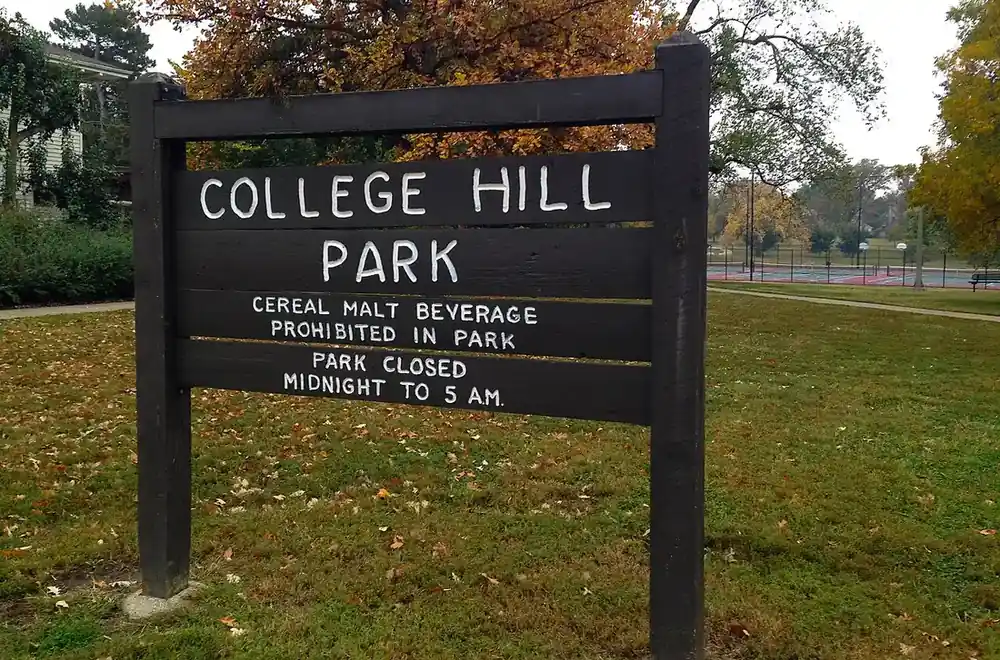
In the historic core and the central neighborhoods - Riverside, College Hill, Eastborough, Downtown Wichita, Old Town and Delano, Midtown, South Wichita, Planeview, Oaklawn - the wiring runs from knob-and-tube and fuse boxes in the pre-war districts to the flagged postwar panels of the in-city suburbs, and outlet and switch services follows that record: era wiring care on the old streets, panel decisions in the postwar blocks, and storm exposure that grows toward the open edges.

Across the north side, the lake country and the inner ring - East Wichita, Northeast Wichita, Uptown Wichita, West Wichita, Southwest Wichita, Auburn Hills and North Wichita, Benjamin Hills, Northwest Wichita, Derby, Andover, Haysville - sit the growth waves of the 1960s onward, the aluminum-branch-wiring years and the first subdivisions wired for modern loads room by room, which together make this the steadiest outlet and switch services territory in the metro.

Beyond the city line, the same work runs in Clearwater, Mulvane, Rose Hill, Bel Aire, Park City, Valley Center, Kechi, Maize, Goddard, Newton, Hutchinson - fast-growing suburbs, university and base communities and prairie-edge towns where new construction, acreage homes and wide-open storm exposure add their own chapters. Every one of these area pages carries the local detail for outlet and switch services in that community.

Outlet and Switch Services by Neighborhood

Every area we serve has its own Outlet and Switch Services page with local detail.

Coverage, In Full

Outlet and Switch Services runs across the whole service map: Downtown Wichita and Old Town; Riverside and Delano along the rivers; Midtown and North Wichita; College Hill and Uptown; Eastborough and East Wichita; Northeast Wichita and Bel Aire; South Wichita, Planeview and Oaklawn; West and Northwest Wichita; Benjamin Hills and Auburn Hills; Southwest Wichita; and beyond the city in Derby, Andover, Haysville, Clearwater, Mulvane, Rose Hill, Park City, Valley Center, Kechi, Maize, Goddard, Newton and Hutchinson. One call covers all of it - the local pages above carry the detail for each. If your street is not named here, call anyway: routes grow with demand, and most metro addresses are already within reach of a scheduled run.

From the Wichita Electrical Guides

GFCI Outlets: Where They Belong, Why They Trip and What to Do

A GFCI watches for current leaking out of its proper path - through water or a person - and cuts power in a fraction of a second. It guards people, where a breaker guards wire. One GFCI commonly protects a whole string of outlets, which is why a tripped or failed unit in a bathroom or garage can darken outlets rooms away.

Read the Guide

Why Do My Lights Flicker? A Wichita Guide to Causes and Fixes

Most flicker is a pattern with a cause: dimming when large appliances start is a load story, flicker on one dimmed circuit is usually a lamp-and-dimmer mismatch, and random flicker across the house is a connection story. Read the pattern before touching anything - when it happens, where it happens, and what else is running sorts the causes faster than any tool.

Read the Guide

Smoke and CO Detectors: Placement, Expiry Dates and Testing

Detector sensors expire: smoke alarms are replaced at about ten years from manufacture, CO alarms commonly at five to seven - whether or not they still chirp reassuringly when tested. Placement follows the gases: smoke alarms in every bedroom, outside sleeping areas and on every level; CO alarms outside sleeping areas and on levels with fuel-burning appliances.

Read the Guide

Outlet and Switch Services Questions

What affects the cost of outlet and switch work in Wichita?

The device count, the wiring era they land on, whether GFCI or grounding work is part of the scope, access in finished walls for added locations, and what the circuit read finds along the way. Device work is priced by the visit's actual findings, which is why the assessment comes before the number.

What is a GFCI and where does my home need them?

A ground-fault circuit interrupter watches for current leaking where it should not - through water, or a person - and cuts power in a fraction of a second. Current practice puts them in kitchens, bathrooms, garages, laundry areas, basements, exteriors and near sinks generally. Older metro homes are commonly protected in some of those rooms and naked in others; the audit maps yours.

Why do my outlets stop working after storms?

Storm surges trip and sometimes finish GFCI devices, and a dead GFCI takes its whole string of outlets with it - often rooms away from the device itself. If the same outlets die every storm season, the visit's answer is two-part: restore the protection, and talk about the panel-level surge protection that keeps the season from spending your devices.

Can dimmers work with my LED lights?

Yes, when the dimmer and the lamps are chosen for each other. Flicker, buzz and drop-out at low settings are compatibility reports, not LED defects, and the fix is a matched pairing - often a dimmer swap, occasionally a lamp change. Bring the lamp model to the conversation; the pairing is specific, and guessing at it is how the flicker survives three service calls.

Why is my outlet warm in Wichita, and should I worry?

Warmth at a receptacle means a connection is resisting current - a loosened terminal, a worn contact, or, in aluminum-era homes, an oxidized joint doing what that wiring type does with age. It deserves a prompt read, because device heat is how small faults introduce themselves, and it is read with the device open and the circuit's story told, not by touching the plate and guessing.

My Wichita bathroom outlets died but the breaker is fine. What happened?

Most likely a GFCI upstream did its job - or gave up doing it. One GFCI often guards a string of outlets across bathrooms, the garage and the exterior; when it trips or fails, the whole string goes dark with the breaker untouched. Finding that device is the first move; learning why it tripped is the visit.

Can two-prong outlets in my Wichita home be made safe for modern plugs?

Yes, by known routes chosen per circuit: GFCI protection at the device or the breaker, which makes an ungrounded outlet safe for people though not a true ground for equipment; a grounding conductor run where access allows; or a rewiring of the affected circuits when their era argues for it anyway. What is not on the list is the adapter plug and hope.

Does my Wichita home with aluminum wiring need every outlet replaced?

The outlets need their connections read - that is the precise statement. Aluminum-era connections that are sound and landed on devices rated for the method can serve; connections that have overheated, oxidized or been landed on the wrong devices need renewal. The audit grades connection by connection, which is slower than a blanket prescription and more honest than one.

Please note: Wichita Electrician Pros is an independent directory and referral service, not an electrical contractor. The professionals reachable through this site are independent businesses; any agreement for work is between you and the professional you engage. Service information on this site is general educational material - the scope of any real electrical work is set by an on-site inspection.

A Breaker That Keeps Tripping, Lights That Flicker or a Panel Due for an Upgrade?

One call connects you with an electrical professional serving Wichita and the surrounding metro communities - assessment, repair, service and installation.

📞 Call Now
📞 Call Now