Wichita Electrical Services

Generator Installation in Wichita, KS

Generator installation in Wichita - standby generators sized to the home's real loads, with transfer equipment that keeps the house safe and the utility crews safer.

The storm ledger is documented, not folklore. On May 3, 1999, a tornado from the same outbreak that struck Kansas cut through Haysville and south Wichita, destroying the town's historic core. On April 14, 2012, an EF3 crossed southeast Wichita through Oaklawn toward the McConnell Air Force Base side of the city. Ice storms in January 2002 and December 2007 coated lines across Kansas and left Wichita neighborhoods dark for days. Kansas also sits in one of the more lightning-active regions of the country. Surge damage, standby power and service-mast condition are standing topics here because the record made them so.

The second force is the modern load arriving in old houses. Electric vehicle chargers, hot tubs, home offices, workshop tools and added living space all draw on panels that were sized for a fraction of today's demand - a 100-amp service that was generous in 1955 is an arithmetic problem in a house with two chargers and a spa. Much of the metro's electrical work is this reconciliation: reading what a house now asks of its system, and matching the system to it honestly.

Signs You Need Generator Installation

An outage would endanger someone in the home

Medical equipment, refrigerated medication, a home business whose servers hold the family's income - when an outage is more than inconvenience, standby power is a safety system, and it is planned like one.

Your street's outages are long, not brief

Some feeders restore in hours; some neighborhoods wait days after ice and wind events. Your street's outage history is the honest sizing input no catalog can give you.

You have a well, sump or septic system

Homes whose water arrives by pump lose water when they lose power. In the metro's acreage edges, the generator conversation starts at the well pump and works inward.

The last outage cost you food, pipes or a hotel

Spoiled freezers, burst pipes in the cold snap after an ice storm, nights away - the outage ledger is how the generator's scope gets argued honestly, in your own numbers.

You are building or remodeling on the edge of the metro

New construction and major remodels are the easiest moments to plan standby power: panel capacity, transfer equipment and the generator's pad and fuel run designed in, not carved in later.

Your portable generator routine has outgrown itself

Extension cords through a cracked window, a portable unit refueled in the rain at midnight - the routine works until the storm it does not. A standby system is the routine made automatic and safe.

Why Generator Installation Is a Standing Job in Wichita

The metro's outage map is written by its weather: ice that loads lines until they fall, spring winds that take trees into drops, and the long restorations that follow when a whole region is dark at once. Generator demand follows that map exactly - strongest where outages are longest and lots are largest, present everywhere the storm record is remembered.

Fuel is the local second question. Natural gas serves most of the metro's subdivisions; the acreage edges run on propane with its own tank arithmetic. The installation plan names the fuel, its supply under storm conditions and the runtime the household expects - a generator without a fuel plan is a short story.

Sizing is where the discipline shows: the honest load list - heat, refrigeration, water, lights, the medical device, the office - almost never equals the whole house, and the gap between the two is the difference between a system sized to its job and one sized to a sales target.

Generator Installation Through the Wichita Year

Summer is the load season. Air conditioning runs from morning to past midnight across the metro through the hundred-degree stretches, panels carry their heaviest sustained draw of the year, and the weak points announce themselves: breakers that trip on hot afternoons, connections that warm under load, attic wiring baking in the day's heat. Lightning rides the same months. Most electrical failures are discovered in summer - the wear happened across years, and the peak-load week is simply when the margin runs out.

Spring is storm season and preparation season at once. March through May is the peak of the supercell calendar in Sedgwick County, when the metro's outages, surge events and downed service drops concentrate. The electrical work that matters happens just ahead of it: panels checked, surge protection in place, standby generators serviced and exercised, and trees near the service drop reported before the wind finds them. The first big storm week of the year grades every home's preparation without mercy.

Winter in Wichita is mild until it is not: the ice storms are the season's defining electrical events, when coated lines and falling limbs take down drops and masts across whole districts at once, and plains wind drives the chill through every exterior connection. Between storms, the winter load story is space heaters on bedroom circuits, holiday lighting on old exterior outlets, and heating equipment running its longest hours - each a small test of circuits that sit idle the rest of the year.

Generator Installation in Depth

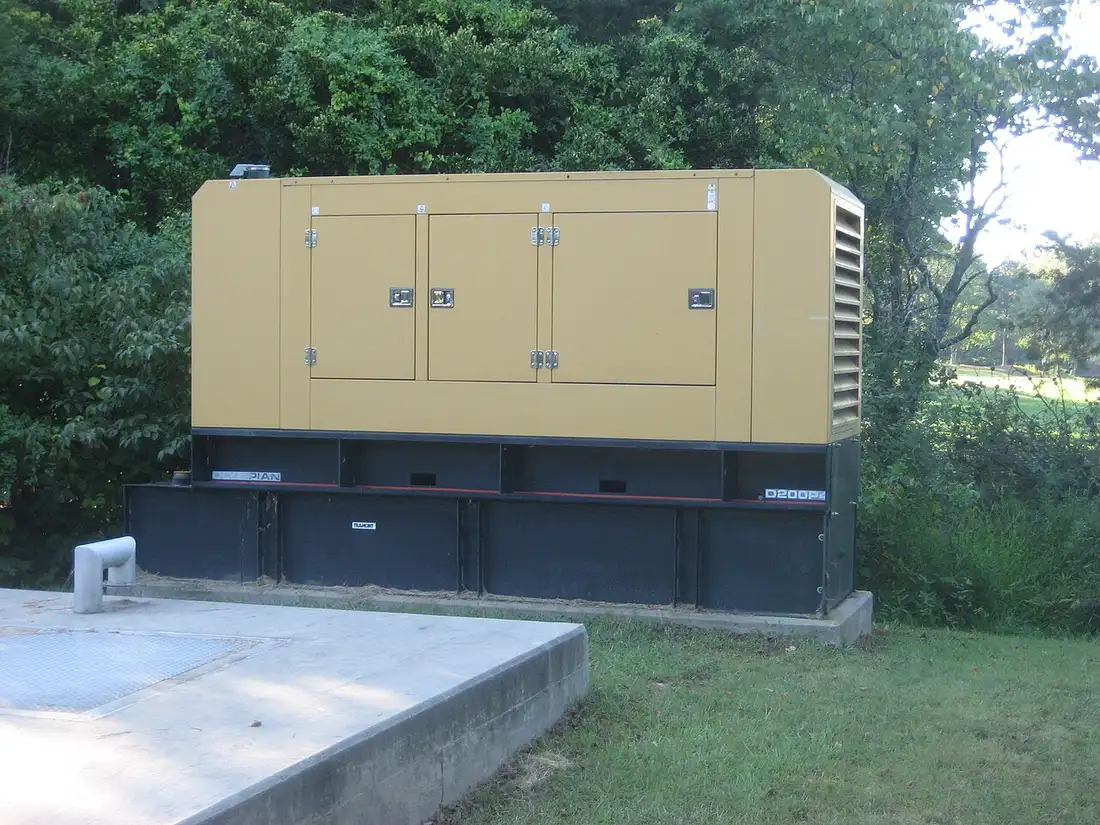
A standby generator is best understood as a second utility, privately owned, with a staff of one: the maintenance calendar. Its installation quality is written in the load list's honesty, the transfer equipment's safety and the fuel plan's arithmetic - and its lifetime quality is written in oil changes and exercise runs that happen in calm weather, on schedule, without drama.

It is also the job where restraint in sizing pays twice. A system matched to the outage list starts its big motors, carries its loads without strain and runs its fuel at the rate the household planned for. The oversized machine short-cycles its way through a decade of outages it was never actually asked to cover, and the undersized one fails the only examination that counts - the night the ice arrives.

Choosing the Right Help

Choose generator help by the load list. The installer who builds your outage list room by room, does the panel arithmetic in writing and plans fuel, site and transfer as one system is designing your second utility; the one who sizes by square footage is designing their invoice. Ask what the system will not run. The honest list of exclusions is the soundest part of any proposal.

The Conditions Behind It

Wichita sits on the central plains where Gulf moisture runs into dryline storms off the high plains, and the weather writes the electrical calendar here: a spring supercell season that tests every service mast and overhead drop in the metro, a summer of peak cooling loads under hundred-degree stretches, a second severe season in the fall, and winters that can wrap the whole region in ice. An electrical system in Wichita is not judged on a mild day - it is judged in the storm weeks, and the pages here are organized around that.

The metro's wiring is a layered archive of its building history. The oldest neighborhoods along the Arkansas and Little Arkansas rivers still hold knob-and-tube runs, cloth-insulated cable and fuse boxes from the 1880s through the 1930s. The war years and the aircraft boom built whole districts - Planeview, the south side, the McConnell fringe - on the panels of their day, including families from that era that inspectors now flag on sight. The mid-1960s to the mid-1970s added aluminum branch wiring to thousands of homes. And the growth edges in Maize, Andover and Bel Aire build at 200 amps with chargers and standby generators planned from the start. Which layer a house sits in decides most of its electrical story.

How Generator Installation Works

Build the outage load list

Room by room and system by system: what must run when the grid is down, what would be nice, what can wait - the list sizes everything that follows.

Set the fuel and site plan

Gas or propane supply, the pad location with its clearances and exhaust path, and the transfer equipment matched to the load list - whole-service or managed loads.

Install the system

Generator set and connected, transfer equipment installed at the panel, circuits landed as planned, and the utility-side safety of the arrangement verified.

Commission and exercise

The system is run under a simulated outage with the house's real loads, its automatic exercise schedule set, and its maintenance rhythm handed over in writing.

Doing It Yourself vs a Professional

The DIY Route

  • Backfeeding a panel through a dryer outlet with a portable generator - the practice endangers line crews and the house alike, and it is the one shortcut with no defense
  • Sizing by the house's square footage instead of its load list buys either a machine that cannot start the heat or one idling through its life underloaded
  • Siting a generator by convenience - under a window, in the garage's breath - without the exhaust and clearance arithmetic
VS

The Professional Route

  • Sizes from your outage load list, measured against the panel's real arithmetic
  • Plans fuel, site and transfer as one system, with crew safety built into the connection
  • Commissions under a simulated outage and leaves the maintenance rhythm in writing

Keep It From Coming Back

A standby generator keeps its promise through maintenance, not hope. These are the habits that make the machine's one important night an ordinary one.

  • Exercise is not optional: a standby generator that does not run weekly is a machine practicing failure for the one night it is needed.
  • Keep the maintenance calendar - oil, filters, battery - on the same rhythm as the storm seasons, serviced in the calm months.
  • Keep the area around the unit clear; exhaust and cooling air are part of the installation's design, not landscaping suggestions.
  • After any real outage run, note what the system carried and what it declined - the log tunes the load list for the next event.
  • Never run a portable generator in a garage or near a window, and never feed a house panel from one without proper transfer equipment - both rules exist because of documented harm.
  • Plan the fuel: know your propane level before storm season and your gas system's condition, so the runtime you counted on is the runtime you have.
Generator Installation in the Surrounding Communities

The communities around Wichita share its storm seasons and its lightning - with their own twists of housing age, growth and grid exposure.

Generator Installation in Clearwater

Clearwater is a small railroad-era city southwest of Wichita on the Chikaskia River, with a historic downtown and a mix of older homes and new subdivisions drawing commuters to the metro. Its older streets keep a small-town canopy of elm and hackberry planted generations back.

Generator Installation in Mulvane

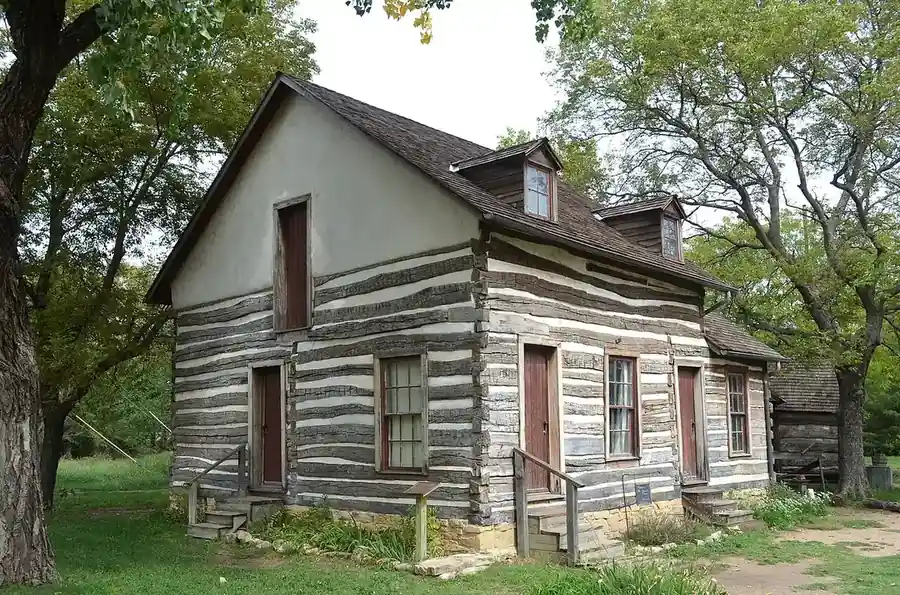
Mulvane is an old railroad town south of Wichita on the Arkansas River, with a preserved Main Street and depot, newer growth near the Kansas Star Casino, and a strong small-city identity. The river's bottomland timber frames the town on its low sides.

Generator Installation in Rose Hill

Rose Hill is a growing Butler County town southeast of Wichita, where newer subdivisions and acreage homes have spread around its schools. It draws families who want country space within commuting range - and its trees split between new plantings and old farm timber.

Generator Installation in Bel Aire

Bel Aire is a growing city on Wichita's north edge, built around lakes, parks and newer subdivisions along the K-254 corridor. It has grown from a small community into one of the metro's active family suburbs, planting its canopy as it goes.

Where Generator Installation Is Needed Most

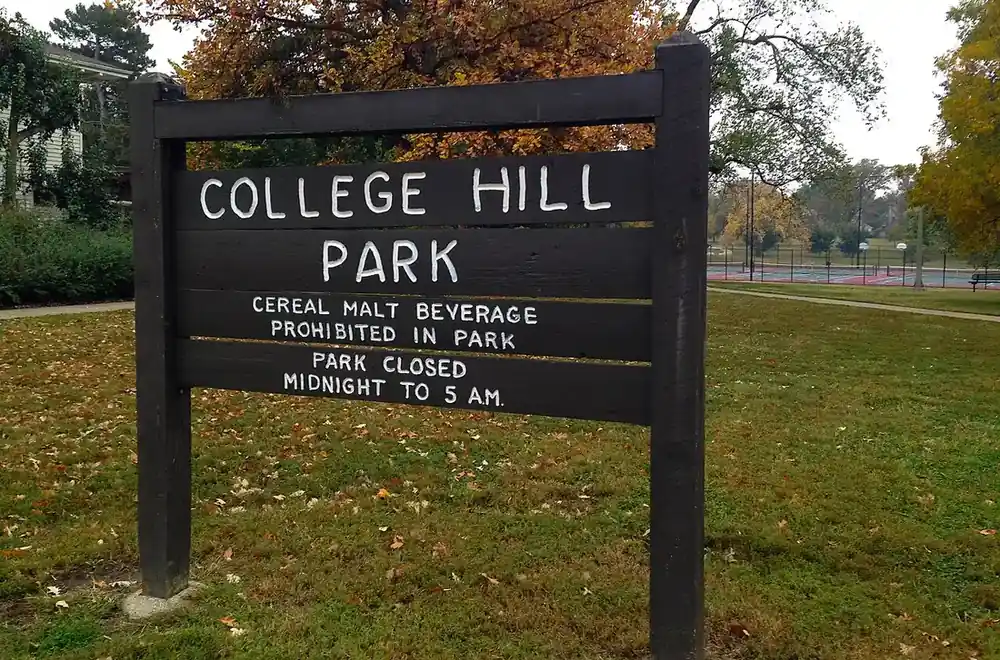
In the historic core and the central neighborhoods - Riverside, College Hill, Eastborough, Downtown Wichita, Old Town and Delano, Midtown, South Wichita, Planeview, Oaklawn - the wiring runs from knob-and-tube and fuse boxes in the pre-war districts to the flagged postwar panels of the in-city suburbs, and generator installation follows that record: era wiring care on the old streets, panel decisions in the postwar blocks, and storm exposure that grows toward the open edges.

Across the north side, the lake country and the inner ring - East Wichita, Northeast Wichita, Uptown Wichita, West Wichita, Southwest Wichita, Auburn Hills and North Wichita, Benjamin Hills, Northwest Wichita, Derby, Andover, Haysville - sit the growth waves of the 1960s onward, the aluminum-branch-wiring years and the first subdivisions wired for modern loads room by room, which together make this the steadiest generator installation territory in the metro.

Beyond the city line, the same work runs in Clearwater, Mulvane, Rose Hill, Bel Aire, Park City, Valley Center, Kechi, Maize, Goddard, Newton, Hutchinson - fast-growing suburbs, university and base communities and prairie-edge towns where new construction, acreage homes and wide-open storm exposure add their own chapters. Every one of these area pages carries the local detail for generator installation in that community.

Coverage, In Full

Generator Installation runs across the whole service map: Downtown Wichita and Old Town; Riverside and Delano along the rivers; Midtown and North Wichita; College Hill and Uptown; Eastborough and East Wichita; Northeast Wichita and Bel Aire; South Wichita, Planeview and Oaklawn; West and Northwest Wichita; Benjamin Hills and Auburn Hills; Southwest Wichita; and beyond the city in Derby, Andover, Haysville, Clearwater, Mulvane, Rose Hill, Park City, Valley Center, Kechi, Maize, Goddard, Newton and Hutchinson. One call covers all of it - the local pages above carry the detail for each. If your street is not named here, call anyway: routes grow with demand, and most metro addresses are already within reach of a scheduled run.

From the Wichita Electrical Guides

Power Outages, Storms and Standby Generators: A Wichita Guide

Metro outages are written by documented weather: spring supercells, the May 1999 and May 2013 tornadoes on the south side, and ice storms in December 2007 and October 2020 that darkened districts for days. A standby generator answers the outage with a load list, not a whole house by default: heat, refrigeration, water, lights and the loads that cannot wait, sized and fueled honestly.

Read the Guide

Why Do My Lights Flicker? A Wichita Guide to Causes and Fixes

Most flicker is a pattern with a cause: dimming when large appliances start is a load story, flicker on one dimmed circuit is usually a lamp-and-dimmer mismatch, and random flicker across the house is a connection story. Read the pattern before touching anything - when it happens, where it happens, and what else is running sorts the causes faster than any tool.

Read the Guide

Old Wiring in Wichita Homes: Knob-and-Tube, Cloth and Aluminum

Wichita homes carry four wiring eras: knob-and-tube and cloth cable in the pre-war districts, postwar copper with its era's panels, aluminum branch wiring from the mid-1960s to mid-1970s, and modern copper since. Each era has a known behavior: knob-and-tube ages by insulation and burial, cloth by crumbling, aluminum at its connections. The remedy follows the era, not the symptom.

Read the Guide

Generator Installation Questions

What affects the cost of generator installation in Wichita?

The unit's capacity, the transfer method, the distance and path between panel, fuel and pad, concrete and trenching, the permit scope, and the load management the plan uses. Two homes on one street can be different projects; the number follows the site plan drawn at your panel and your yard.

Natural gas or propane for a metro home?

Natural gas is the low-maintenance answer where the service exists - no tank, no deliveries, effectively unlimited runtime. Propane serves the acreage edges where gas does not reach, and its plan includes tank sizing for the runtime the household wants. The site visit names which fuel your property honestly has, and plans to it.

How loud is a standby generator, and where can it sit?

Modern standby units are built to run at a conversational distance's consideration, but placement still follows rules: clearances from openings and property lines, exhaust direction, and access for service. The site plan places the unit where code, neighbors and the machine's own airflow are all respected - a decision made on paper before concrete.

What maintenance does a standby generator need?

Oil and filter service on an hours-based calendar, battery care, exercise runs it performs itself, and an annual professional service that reads it the way a panel is read - before storm season, not after. The installation hands you that calendar in writing, because a standby system is a promise the machine has to keep in January, not a purchase made in June.

How big a generator does my Wichita home need?

The size follows your outage load list, not your square footage. A home keeping heat, refrigeration, water, lights and a few circuits alive asks a fraction of what a whole-house, everything-on system asks - and large motor starts, like a well pump or an air conditioner's compressor, set the surge capacity the unit must carry. The sizing visit does this arithmetic at your panel, with your list.

What is a transfer switch and why does my Wichita installation need one?

It is the equipment that moves your home's circuits between utility power and generator power so the two never meet. Without it, a generator can feed power backward into the grid lines - a lethal hazard for the crews restoring your street - and can be destroyed when utility power returns. It is not an accessory; it is the safety core of the installation, automatic on standby systems.

Will a generator power my whole Wichita house?

It can be sized to, and it need not be: managed-load systems power the essential list at a fraction of whole-house capacity, and automatic load management can stretch a mid-size unit across surprising loads by taking turns. The honest conversation weighs your outage list against both designs, in real numbers, before anything is ordered.

How long can a standby generator run during an outage in Wichita?

On natural gas, effectively as long as the gas supply holds and the machine is maintained - days, with oil checks on long runs. On propane, the tank's size is the clock, and the installation plan does that arithmetic in gallons and hours so the household knows its real endurance before the ice arrives.

Please note: Wichita Electrician Pros is an independent directory and referral service, not an electrical contractor. The professionals reachable through this site are independent businesses; any agreement for work is between you and the professional you engage. Service information on this site is general educational material - the scope of any real electrical work is set by an on-site inspection.

A Breaker That Keeps Tripping, Lights That Flicker or a Panel Due for an Upgrade?

One call connects you with an electrical professional serving Wichita and the surrounding metro communities - assessment, repair, service and installation.

📞 Call Now
📞 Call Now