Wichita Electrical Services

Hot Tub and Pool Wiring in Wichita, KS

Hot tub and pool wiring in Wichita - dedicated circuits, GFCI protection and bonding for spas, pools and swim systems, sized honestly against the panel that feeds them.

The storm ledger is documented, not folklore. On May 3, 1999, a tornado from the same outbreak that struck Kansas cut through Haysville and south Wichita, destroying the town's historic core. On April 14, 2012, an EF3 crossed southeast Wichita through Oaklawn toward the McConnell Air Force Base side of the city. Ice storms in January 2002 and December 2007 coated lines across Kansas and left Wichita neighborhoods dark for days. Kansas also sits in one of the more lightning-active regions of the country. Surge damage, standby power and service-mast condition are standing topics here because the record made them so.

The second force is the modern load arriving in old houses. Electric vehicle chargers, hot tubs, home offices, workshop tools and added living space all draw on panels that were sized for a fraction of today's demand - a 100-amp service that was generous in 1955 is an arithmetic problem in a house with two chargers and a spa. Much of the metro's electrical work is this reconciliation: reading what a house now asks of its system, and matching the system to it honestly.

Signs You Need Hot Tub and Pool Wiring

A hot tub is arriving and the panel has never been asked

A spa's circuit is among the largest single loads in a home. The delivery date is the deadline, but the panel's capacity read should precede it by weeks, not hours.

A pool pump or heater runs on an extension of an old circuit

Pool equipment found sharing circuits, cords or creative wiring is a legacy condition worth correcting on sight: water work has its own rules, and inherited improvisation meets none of them.

The spa's GFCI keeps tripping

A tripping ground-fault device on water equipment is reporting exactly what it exists to report. The cause - heater element, pump seal, moisture in a junction - is found, not reset around.

A used hot tub is being installed

Secondhand spas arrive with their manuals lost and their requirements assumed. The electrical read - load, protection, disconnect, bonding - is what makes a used tub a bargain instead of a project.

Pool lights or a salt system are being added

Underwater lighting and salt chlorination each bring their own protection and bonding requirements. Additions to a pool's electrical system reopen the whole system's compliance, not just the new part's.

The equipment pad is a tangle of eras

Pumps replaced, heaters added, timers swapped - equipment pads accumulate decades. A pad whose wiring cannot be narrated is a pad asking for a single coherent pass.

Why Hot Tub and Pool Wiring Is a Standing Job in Wichita

The metro's pool and spa map follows its lots: the acreage edges with room for pools and the equipment sheds to match, the established suburbs whose 1980s pools are on their third generation of equipment, and the new subdivisions where a spa pad is roughed in at build. Each setting writes its own version of the same circuit story.

Capacity is the standing tension: the decades that installed pools sized panels for pools alone, and today's houses add chargers and shops to the same services. The load calculation at a spa installation is now routinely a whole-house conversation, and the honest ones end with a plan rather than a squeeze.

Weather finishes the syllabus: bonding and grounding that must survive thunderstorm season, equipment that winters over through ice and wakes to spring openings, and GFCI devices that storm surges spend. Spring opening is this service's natural audit date.

Hot Tub and Pool Wiring Through the Wichita Year

Winter in Wichita is mild until it is not: the ice storms are the season's defining electrical events, when coated lines and falling limbs take down drops and masts across whole districts at once, and plains wind drives the chill through every exterior connection. Between storms, the winter load story is space heaters on bedroom circuits, holiday lighting on old exterior outlets, and heating equipment running its longest hours - each a small test of circuits that sit idle the rest of the year.

Summer is the load season. Air conditioning runs from morning to past midnight across the metro through the hundred-degree stretches, panels carry their heaviest sustained draw of the year, and the weak points announce themselves: breakers that trip on hot afternoons, connections that warm under load, attic wiring baking in the day's heat. Lightning rides the same months. Most electrical failures are discovered in summer - the wear happened across years, and the peak-load week is simply when the margin runs out.

Fall is the assessment window and the second severe season. October brings its own storm risk on the plains, and the ice season is close enough to plan for: generator service, surge checks, and the repairs the summer exposed, all done while the weather is calm. It is also when honest electrical advice happens, because a system inspected in October is being judged on the evidence of the season just passed, not on hope.

Hot Tub and Pool Wiring in Depth

Pool and spa wiring is the category where electricity's rules are written most plainly, because water removes every ambiguity about why they exist: bonding so that everything touchable shares one potential, ground-fault protection that moves faster than a heartbeat, a disconnect in sight of the equipment. An installation that treats those as paperwork has misunderstood the assignment; they are the assignment.

It is also the job where the panel and the pad must be designed together. A spa's load is a whole-house event arriving at a panel that may already carry a charger and a shop, and the honest installers do that arithmetic first, in writing, before the trench is dug. The result is a pad whose equipment all runs at once on a July evening - which is, after all, the entire point of owning it.

Choosing the Right Help

Choose spa and pool help by the arithmetic and the bonding. The installer who load-calculates the panel, draws the disconnect and bonding plan and talks permits before trenching is doing the category's real work; water forgives improvisation least of all electrical settings. Ask how the bonding will be verified. The instrument-based answer is the one your swimmers are owed.

The Conditions Behind It

Wichita sits on the central plains where Gulf moisture runs into dryline storms off the high plains, and the weather writes the electrical calendar here: a spring supercell season that tests every service mast and overhead drop in the metro, a summer of peak cooling loads under hundred-degree stretches, a second severe season in the fall, and winters that can wrap the whole region in ice. An electrical system in Wichita is not judged on a mild day - it is judged in the storm weeks, and the pages here are organized around that.

The metro's wiring is a layered archive of its building history. The oldest neighborhoods along the Arkansas and Little Arkansas rivers still hold knob-and-tube runs, cloth-insulated cable and fuse boxes from the 1880s through the 1930s. The war years and the aircraft boom built whole districts - Planeview, the south side, the McConnell fringe - on the panels of their day, including families from that era that inspectors now flag on sight. The mid-1960s to the mid-1970s added aluminum branch wiring to thousands of homes. And the growth edges in Maize, Andover and Bel Aire build at 200 amps with chargers and standby generators planned from the start. Which layer a house sits in decides most of its electrical story.

How Hot Tub and Pool Wiring Works

Do the capacity arithmetic first

The panel's service size and present loads read against the spa or pool equipment's requirements - with the verdict, including any capacity work, in writing before equipment is ordered.

Plan the route and protection

The circuit's path from panel to pad, the disconnect within sight of the equipment, the ground-fault protection and the bonding grid drawn as one system.

Run and land the circuit

Conduit and conductors sized for the load and the distance, equipment landed and bonded, every connection in its rated enclosure against the weather.

Test under full load

The system run at its real draw - pump, heater, blower together - protection devices tested, and the pad handed over with its documentation in the house file.

Doing It Yourself vs a Professional

The DIY Route

  • Wiring a spa from a general-purpose circuit or a subpanel borrowed from the shop - water loads have their own code chapter for documented reasons
  • Skipping or misplacing the disconnect and bonding to save a trench - the two items inspectors and safety both look for first
  • Defeating a tripping GFCI on a pump or heater circuit converts a report into a risk with water in it
VS

The Professional Route

  • Capacity-calculates the panel before quoting the circuit, and puts the arithmetic in writing
  • Builds protection, disconnect and bonding as one system, drawn before it is dug
  • Load-tests the finished pad at full draw and documents the circuit in the house file

Keep It From Coming Back

Water equipment lives outdoors in storm country; its electrical care is a seasonal rhythm of testing, checking and documenting. These habits are that rhythm.

  • Have the panel's capacity read before the spa is ordered; the delivery truck is the worst discovery venue.
  • Test the spa or pool GFCI at every season opening - it is the device storm season may have spent.
  • Keep the equipment pad's documentation together: pump and heater manuals, the circuit's breaker, the disconnect's location - the next service visit starts there.
  • Never let a tripping ground-fault device on water equipment be reset into silence; it is the system's one-sentence report, and it is always about the water side.
  • When any pool component is replaced, have the bonding verified in the same visit - bonding is a system, and replacements quietly break it.
  • Winterize with the circuit in mind: drained equipment and a verified disconnect are the difference between spring's opening and spring's project.
Hot Tub and Pool Wiring in the Surrounding Communities

The communities around Wichita share its storm seasons and its lightning - with their own twists of housing age, growth and grid exposure.

Hot Tub and Pool Wiring in Clearwater

Clearwater is a small railroad-era city southwest of Wichita on the Chikaskia River, with a historic downtown and a mix of older homes and new subdivisions drawing commuters to the metro. Its older streets keep a small-town canopy of elm and hackberry planted generations back.

Hot Tub and Pool Wiring in Mulvane

Mulvane is an old railroad town south of Wichita on the Arkansas River, with a preserved Main Street and depot, newer growth near the Kansas Star Casino, and a strong small-city identity. The river's bottomland timber frames the town on its low sides.

Hot Tub and Pool Wiring in Rose Hill

Rose Hill is a growing Butler County town southeast of Wichita, where newer subdivisions and acreage homes have spread around its schools. It draws families who want country space within commuting range - and its trees split between new plantings and old farm timber.

Hot Tub and Pool Wiring in Bel Aire

Bel Aire is a growing city on Wichita's north edge, built around lakes, parks and newer subdivisions along the K-254 corridor. It has grown from a small community into one of the metro's active family suburbs, planting its canopy as it goes.

Where Hot Tub and Pool Wiring Is Needed Most

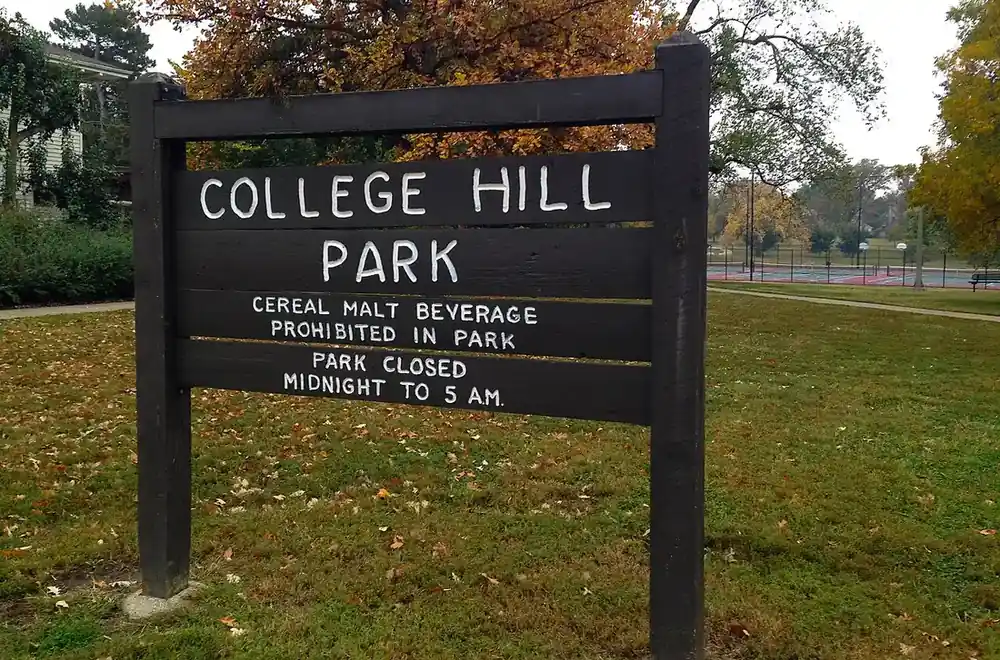
In the historic core and the central neighborhoods - Riverside, College Hill, Eastborough, Downtown Wichita, Old Town and Delano, Midtown, South Wichita, Planeview, Oaklawn - the wiring runs from knob-and-tube and fuse boxes in the pre-war districts to the flagged postwar panels of the in-city suburbs, and hot tub and pool wiring follows that record: era wiring care on the old streets, panel decisions in the postwar blocks, and storm exposure that grows toward the open edges.

Across the north side, the lake country and the inner ring - East Wichita, Northeast Wichita, Uptown Wichita, West Wichita, Southwest Wichita, Auburn Hills and North Wichita, Benjamin Hills, Northwest Wichita, Derby, Andover, Haysville - sit the growth waves of the 1960s onward, the aluminum-branch-wiring years and the first subdivisions wired for modern loads room by room, which together make this the steadiest hot tub and pool wiring territory in the metro.

Beyond the city line, the same work runs in Clearwater, Mulvane, Rose Hill, Bel Aire, Park City, Valley Center, Kechi, Maize, Goddard, Newton, Hutchinson - fast-growing suburbs, university and base communities and prairie-edge towns where new construction, acreage homes and wide-open storm exposure add their own chapters. Every one of these area pages carries the local detail for hot tub and pool wiring in that community.

Coverage, In Full

Hot Tub and Pool Wiring runs across the whole service map: Downtown Wichita and Old Town; Riverside and Delano along the rivers; Midtown and North Wichita; College Hill and Uptown; Eastborough and East Wichita; Northeast Wichita and Bel Aire; South Wichita, Planeview and Oaklawn; West and Northwest Wichita; Benjamin Hills and Auburn Hills; Southwest Wichita; and beyond the city in Derby, Andover, Haysville, Clearwater, Mulvane, Rose Hill, Park City, Valley Center, Kechi, Maize, Goddard, Newton and Hutchinson. One call covers all of it - the local pages above carry the detail for each. If your street is not named here, call anyway: routes grow with demand, and most metro addresses are already within reach of a scheduled run.

From the Wichita Electrical Guides

Fuse Box or Breaker Panel? A Guide for Wichita Homeowners

Fuses protected houses honestly for decades, but a fuse box cannot carry modern loads, modern protection types, or most insurance conversations - its replacement is a matter of timing, not debate. The decision inputs are concrete: the box's capacity against the house's loads, the availability of its fuse types, the insurance position, and the projects - chargers, spas, additions - queuing at its door.

Read the Guide

GFCI Outlets: Where They Belong, Why They Trip and What to Do

A GFCI watches for current leaking out of its proper path - through water or a person - and cuts power in a fraction of a second. It guards people, where a breaker guards wire. One GFCI commonly protects a whole string of outlets, which is why a tripped or failed unit in a bathroom or garage can darken outlets rooms away.

Read the Guide

Old Wiring in Wichita Homes: Knob-and-Tube, Cloth and Aluminum

Wichita homes carry four wiring eras: knob-and-tube and cloth cable in the pre-war districts, postwar copper with its era's panels, aluminum branch wiring from the mid-1960s to mid-1970s, and modern copper since. Each era has a known behavior: knob-and-tube ages by insulation and burial, cloth by crumbling, aluminum at its connections. The remedy follows the era, not the symptom.

Read the Guide

Hot Tub and Pool Wiring Questions

What affects the cost of hot tub and pool wiring in Wichita?

The panel's capacity story, the distance and trench or conduit path to the pad, the equipment's load, bonding scope, and the permit. A spa pad poured beside the panel and a pool at the back of an acre are both 'pool wiring' and are different projects by an honest margin; the number follows the site plan.

Can pool equipment share a circuit with the shop or patio?

Pool and spa equipment belongs on its own dedicated, protected circuits - that is the rule the category is built on, not a preference. Sharing arrangements inherited from earlier decades are corrected as part of bringing the pad to its standard, and the capacity conversation happens at the same visit so the correction is planned, not improvised.

What is bonding, in plain terms?

Bonding connects the pool's water, its metal fittings, the equipment and the surrounding deck steel into one electrically equal body, so no two things a swimmer can touch at once can sit at different voltages. It is invisible when done right and its absence is not discoverable by looking - which is why it is verified with instruments at installation and after equipment changes.

Does the pool's electrical system need a spring check?

It earns one: winter and storm season spend GFCI devices, loosen pad connections and test every enclosure's seal. A spring read - protection tested, connections checked, bonding verified - turns opening day into a swim rather than a diagnosis, and it is the easiest date on the pool's calendar to do it.

Does my Wichita panel have room for a hot tub?

The load calculation decides, and it is a genuinely individual answer: service size, the house's existing heavy loads, and the spa's stated requirements in one sum. Many modern panels carry a spa honestly; many postwar 100-amp services need capacity work or a smaller equipment choice. The visit produces the arithmetic, and the arithmetic - not enthusiasm - makes the plan.

What special protection does pool and spa wiring need in Wichita?

Ground-fault protection on the circuits, an equipment bonding grid tying the water, the equipment and the surrounding metal into one electrical potential, a disconnect within sight of the equipment, and enclosures and routing rated for the wet environment. Each element answers a documented failure mode of water and electricity sharing a space, which is why this category of work has its own code rules and why shortcuts in it are not tolerated.

Can a used hot tub be wired at my Wichita home?

Yes, with the read done as if it were new - nameplate load, protection, disconnect and bonding - plus the used equipment's own condition: heater elements and pump seals are where secondhand spas confess. The electrical installation is the same discipline either way; the equipment's history is what the assessment adds.

Why does my spa GFCI trip in Wichita, and can it just be replaced?

It trips because ground-fault current is flowing where it should not - commonly a failing heater element, a pump seal letting water toward electrics, or moisture in a junction. Replacing the device without finding the leak silences the messenger and keeps the message. The diagnosis reads the equipment piece by piece until the leakage is located; then the repair - device, element or seal - is the one the evidence named.

Please note: Wichita Electrician Pros is an independent directory and referral service, not an electrical contractor. The professionals reachable through this site are independent businesses; any agreement for work is between you and the professional you engage. Service information on this site is general educational material - the scope of any real electrical work is set by an on-site inspection.

A Breaker That Keeps Tripping, Lights That Flicker or a Panel Due for an Upgrade?

One call connects you with an electrical professional serving Wichita and the surrounding metro communities - assessment, repair, service and installation.

📞 Call Now
📞 Call Now